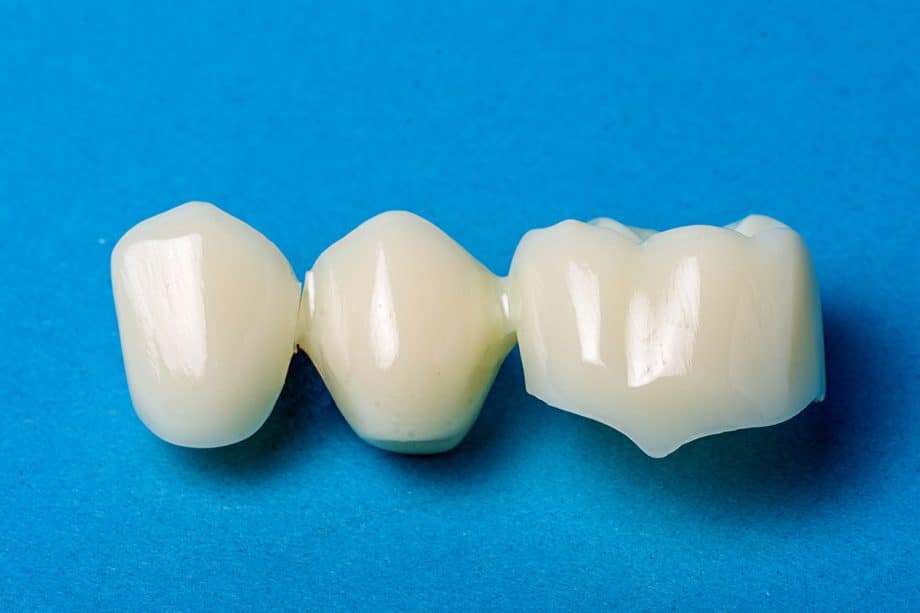
Choosing a crown material affects how a tooth looks, feels, and functions for years. Zirconia and porcelain both restore damaged or decayed teeth, but each material brings distinct strengths to the table. The differences aren't always obvious at first glance, which is why a thorough clinical conversation matters before you decide. Our team walks patients through these differences so they can make an informed decision alongside their dentist.
This guide breaks down how zirconia and porcelain crowns compare, and where each option tends to work best. We also cover the factors that typically guide this decision, from the tooth's location to a patient's cosmetic priorities and daily bite habits.
What Sets Zirconia Crowns Apart?
Zirconia is a type of ceramic material known for its strength and durability. Dentists often recommend zirconia for molars and other teeth that handle significant chewing force, because the material resists chipping and cracking under pressure. Because zirconia is milled from a solid block, it produces a restoration with consistent structural integrity throughout.
Zirconia crowns also offer a metal-free option for patients who want to avoid metal components in their restorations. Modern zirconia formulations have improved in translucency over the years, allowing for a more natural appearance than earlier versions of the material. For patients who need a strong, long-lasting crown on a back tooth, zirconia is often the most reliable option.
Key characteristics of zirconia crowns include:
- High resistance to fracture and wear
- A metal-free composition
- Suitability for back teeth that endure heavy bite force
- A slightly less translucent appearance compared to some porcelain options, though newer formulations narrow this gap
What Sets Porcelain Crowns Apart?
Porcelain crowns are prized for their ability to mimic the natural translucency and color variation of tooth enamel. This makes porcelain a common choice for front teeth, where appearance matters more than raw strength. A well-matched porcelain crown is often indistinguishable from a natural tooth when viewed in normal lighting conditions.
Our team often recommends porcelain, or porcelain fused to metal, when a patient's primary goal is to match the crown closely to surrounding teeth. Porcelain fused to metal crowns combine the natural look of ceramic with the added strength of a metal substructure, balancing aesthetics and durability. This option suits patients who need a visible crown but also require greater resistance than all-porcelain provides on its own.
Key characteristics of porcelain crowns include:
- Strong aesthetic match to natural tooth enamel
- Common use for visible front teeth
- An option to fuse with metal for added strength in higher-stress areas
- A generally smoother surface texture that some patients prefer
How Do We Decide Which Material Fits Your Tooth?
The right crown material depends on several factors specific to each patient and each tooth. No single material works best for every situation, and our team takes the time to assess each case individually before making a recommendation. Our team evaluates the following before recommending zirconia, porcelain, or another option such as gold alloy or base metal alloy:
Location of the tooth. Back teeth endure more chewing force, which often points toward zirconia or a metal-based crown. Front teeth prioritize appearance, which often favors porcelain.
Bite strength and grinding habits. Patients who grind their teeth or clench their jaw may benefit from a more fracture-resistant material like zirconia. We note these habits during the exam and factor them directly into our material recommendation.
Aesthetic priorities. Patients focused on a natural, translucent appearance may lean toward porcelain, particularly for teeth visible when smiling or speaking.
Budget considerations. Material costs vary, and our team reviews these options during the treatment planning process so patients understand what to expect before moving forward.
Once we gather this information, we walk patients through the pros and cons of each material for their specific situation. This process removes the guesswork and keeps patients confident in their final decision.
Making a Confident Choice for Your Smile
Zirconia and porcelain crowns each serve valuable purposes, and the better choice depends on the tooth being restored and the patient's individual needs. Our team combines clinical experience with a clear explanation of the options, so every patient understands why a particular material makes sense for their case. We present the options in plain terms, review what each material delivers, and confirm that the selected restoration aligns with the patient's long-term oral health goals.
If you're weighing your options for a dental restoration, our team can walk you through selecting and placing crowns that fit your tooth, your bite, and your smile goals.
Frequently Asked Questions About Dental Crowns
How long do dental crowns last?
Dental crowns typically last 5 to 15 years, depending on the material selected, oral hygiene habits, and how much daily wear the crown experiences. With consistent brushing, flossing, and routine dental visits, many crowns remain in good condition well beyond the average range.
Is a crown better than a filling?
Neither option is universally better. Crowns work best for restoring teeth with significant damage, fracture, or structural compromise, while fillings address smaller areas of decay where the surrounding tooth structure remains largely intact.
What's the difference between a crown and a cap?
Crown and cap refer to the same type of dental restoration. Dentists and patients often use the terms interchangeably.
Do crowns on front teeth look natural?
Yes. When a skilled dentist selects an aesthetic, tooth-colored material such as porcelain, the crown blends naturally with surrounding teeth. Color matching and contouring are part of the fitting process to ensure a consistent result.
What is the most affordable type of dental crown?
Metal alloy crowns are usually the most affordable option, though they're more noticeable than ceramic alternatives. Same-day crowns and other aesthetic options often cost only slightly more, and our team reviews pricing during the treatment planning appointment so patients can make a fully informed choice.
Bisson Dentistry provides restorative dental care, including crown placement, from our historic office in Guelph, Ontario. Our team takes the time to explain every material option so patients feel confident in their treatment plan. To schedule a consultation or ask about crown materials for your specific tooth, contact us today.