

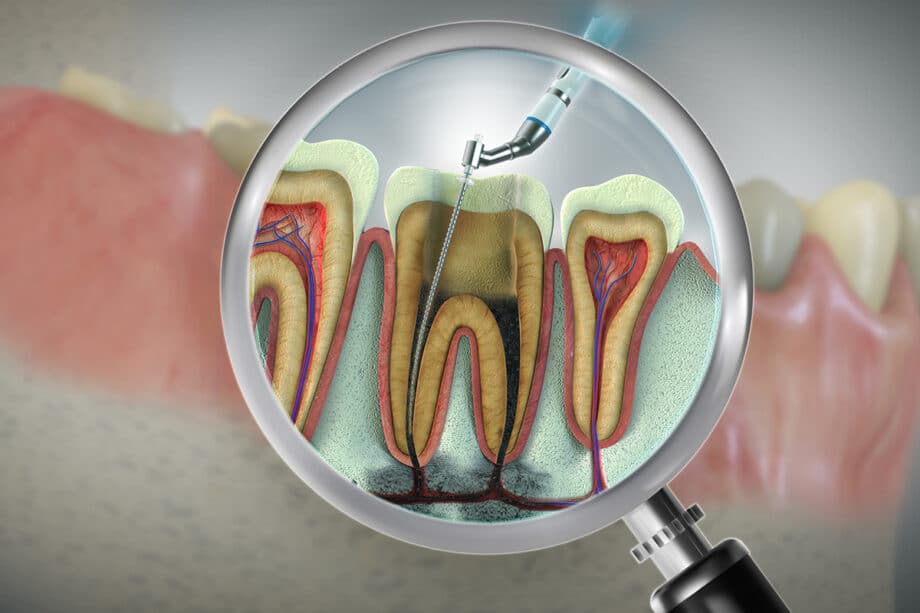
After a root canal, it’s natural to wonder whether what you’re feeling is part of normal healing or a sign that something has gone wrong. Some discomfort after the procedure is expected, but knowing the difference between normal recovery and a warning sign can make all the difference in protecting your tooth and your overall oral health.
In this article, we walk you through what proper healing typically looks and feels like, which symptoms should prompt you to call us, and how to support your recovery at home. We wrote this guide for patients in Guelph and the surrounding area who want clear, honest answers after their procedure.
What Normal Healing Looks Like After a Root Canal
Most patients experience some degree of sensitivity or mild soreness in the days following a root canal. That response is normal. Your tooth and the surrounding tissue have just been through a procedure, and the area needs time to settle.
Here are some signs that your healing is on track:
- Mild to moderate soreness around the treated tooth, especially when biting down, that gradually improves over a few days
- Minor swelling or tenderness in the gum tissue near the tooth that begins to reduce within the first two to three days
- Some tooth sensitivity to pressure that slowly decreases over the course of one to two weeks
- A slightly different feel when biting is common if a temporary filling was placed and often resolves once a permanent restoration is in place.
Over-the-counter pain relievers such as ibuprofen or acetaminophen can help manage mild discomfort during this period. Always follow the dosage instructions on the packaging and any specific guidance we provide at your appointment.
Warning Signs That Mean You Should Call Your Dentist
Healing after a root canal should move in one direction: forward. If your symptoms worsen instead of improving, or if new symptoms develop after you initially felt better, those are signals worth taking seriously.
Symptoms That Warrant a Call to Our Office
- Severe or worsening pain that is not controlled by over-the-counter medication and does not improve after the first few days
- Significant swelling that spreads to your jaw, cheek, or neck — this can indicate infection and requires prompt attention.
- A return of symptoms after a period of feeling better, sometimes called a “rebound,” which may suggest the area has become reinfected.
- A visible pimple-like bump on the gum near the treated tooth, known as a dental abscess or sinus tract, which can indicate ongoing infection
- A loose or lost temporary filling, since leaving the tooth unprotected can allow bacteria to re-enter the canals.
- An uneven bite that does not improve within a week or two, as continued pressure on a treated tooth can cause additional discomfort
Do not wait to contact us if you experience any of these symptoms. Addressing concerns early helps protect the work already completed and gives your tooth the best chance of long-term success.
How to Support Your Recovery at Home
The steps you take after your root canal have a real impact on how smoothly healing goes. While every patient’s situation is different, there are practical habits that can help the process along.
After-Care Habits That Help
- Avoid chewing on the treated side until your permanent crown or filling is in place. The tooth is more vulnerable without full restoration.
- Stick to soft foods for the first few days. Foods that require heavy chewing can put unnecessary pressure on a tooth that is still settling.
- Keep up with your oral hygiene routine. Gentle brushing and flossing around the area are important, though you may want to be especially careful near the treated tooth at first.
- Avoid very hot or very cold foods and drinks if the tooth is still sensitive, as extreme temperatures can temporarily aggravate the area.
- Take prescribed medications as directed. If we prescribed antibiotics or a specific pain reliever, complete the full course even if you feel better.
It is also worth noting that a root canal-treated tooth still needs its permanent restoration — typically a crown — to function properly long term. Delaying that follow-up appointment can leave the tooth at risk of fracture or reinfection, so try to schedule it as soon as we recommend.
What Determines Long-Term Success
A root canal does more than relieve pain — it gives your natural tooth a second chance. Saving your natural tooth matters because it preserves the surrounding bone structure, keeps neighboring teeth in alignment, and avoids the need for an extraction followed by a dental implant or bridge.
Long-term success depends on a few key factors:
- Getting the permanent restoration placed promptly, usually a crown, to protect the tooth from reinfection and fracture
- Attending follow-up appointments so we can confirm healing is progressing as expected
- Maintaining good daily oral hygiene, including brushing twice a day and flossing regularly
- Attending routine dental checkups, which allow us to catch any early concerns before they become larger problems
Most root canal-treated teeth, when properly restored and maintained, can last for many years. Individual outcomes vary depending on the tooth’s location, the complexity of the original case, and how well the tooth is cared for over time.
Your Recovery Is Worth Following Closely
Knowing what to expect after a root canal makes the recovery period far less stressful. Mild soreness, some sensitivity, and a bit of swelling in the first few days are all part of the normal process. What matters is the direction things move. Symptoms should gradually improve, not worsen.
If you have any doubts at all about what you’re experiencing, the right move is to call us. We would far rather hear from you and confirm that everything is on track than have you wait through a symptom that actually needs attention. Your natural tooth is worth protecting, and we’re here to help you do that every step of the way.
Frequently Asked Questions About Root Canals
How long does discomfort typically last after a root canal?
Mild soreness and sensitivity are common for the first few days following a root canal. Most patients notice steady improvement over the course of one to two weeks. If discomfort persists beyond that or worsens at any point, contact your dentist to have the area evaluated.
Do I need a crown after every root canal?
Not always, but crowns are recommended after most root canals, particularly on back teeth that absorb heavy chewing pressure. In some cases, a dental filling may be sufficient to restore the tooth. Your dentist will advise you on the best option based on the location and condition of your tooth.
Can a root-canal-treated tooth get infected again?
Yes, though it is not common when proper restoration and oral hygiene are maintained. Reinfection can occur if the permanent restoration is delayed, if a filling or crown is damaged, or if bacteria find a way back into the canals. Regular dental checkups help detect and address any concerns early.
Is it normal for the tooth to feel different when biting after a root canal?
Some patients notice a different sensation when biting down, especially in the first week or two after the procedure. A temporary filling can slightly affect your bite. Once the permanent restoration is placed and your bite is adjusted properly, that feeling typically resolves. Let your dentist know if the sensation is significant or does not improve.
How do I know if my root canal failed?
Signs that a root canal may not have healed as expected include persistent or returning pain, swelling, a pimple-like bump on the gum near the tooth, or a new abscess. These symptoms do not always mean we cannot save the tooth — additional treatment may be an option. Contact your dentist promptly if you notice any of these signs.
At Bisson Dentistry, we provide comprehensive dental care to patients in Guelph, Ontario, and the surrounding communities. Our team focuses on helping you maintain your natural teeth and feel confident in your smile at every stage of life. If you have questions about your recovery or want to book an appointment, contact us and we’ll be happy to help.