

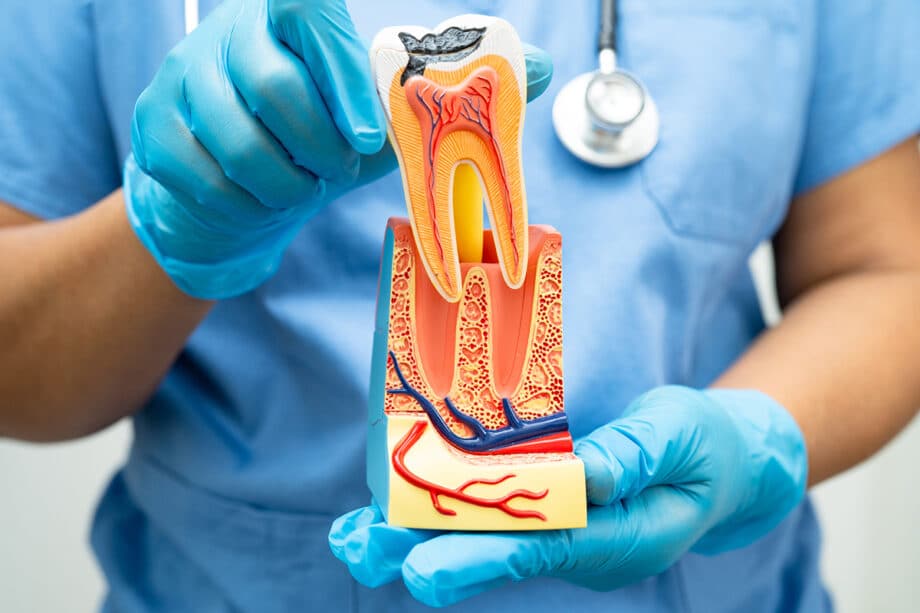
Root canal treatment removes infected or inflamed tissue from inside a tooth, cleans the inner space, and seals it to help save the tooth. Proper care after the procedure makes a big difference. When you build good habits, you reduce discomfort, protect your teeth, and support steady healing.
Our experience shows that you feel better when you know what to expect after treatment. In this guide, we explain how to manage the first few days, what to eat, when to call our office, and how to protect your tooth in the long term. We also answer common questions so you feel more prepared during recovery.
What to Expect After a Root Canal
Mild Soreness and Sensitivity Are Common
Most people return to their normal daily activities soon after a root canal, but you may notice some tenderness for a few days. The area around the treated tooth might feel sore because infection or inflammation irritated the tissue near the root, or the procedure itself caused minor discomfort. You might also feel sensitivity when biting down for a short time.
We provide aftercare instructions at your appointment, which you should follow closely. Use over-the-counter pain relief as directed, unless your dentist gives you other instructions. If we prescribe medication, take it exactly as directed.
Protect the Tooth While It Heals
Your treated tooth may remain vulnerable until we place the final restoration, such as a filling or crown. Chewing hard or sticky foods on that side can raise the risk of damage. If your bite feels uneven, contact us. An uneven bite can increase soreness and place extra stress on the tooth.
You need to keep the area clean. Brush and floss gently to reduce plaque and support healing. If you have a painful or infected tooth and want more details about your options, visit our root canal page.
How to Care for Your Mouth in the First Few Days
Choose Soft Foods and Chew Carefully
Choose foods that make recovery simpler. Soft foods put less pressure on your treated tooth and lower the chance of pain when you chew. Good short-term options include:
- Yogurt
- Soup that is warm, not hot
- Mashed potatoes
- Scrambled eggs
- Oatmeal
- Smoothies are eaten with a spoon
- Pasta
- Soft rice dishes
Do not eat very hard, crunchy, sticky, or chewy foods for the first several days, especially if your tooth has just a temporary filling. Nuts, ice, hard candy, gum, and crusty bread can all cause stress in the area. We also suggest chewing on the opposite side until your tooth feels better or you receive the final restoration.
Keep Your Oral Hygiene Routine Steady
Some patients worry that brushing near the treated tooth will cause problems. You can usually brush and floss gently unless we tell you otherwise. Clean teeth and healthy gums will lower the bacteria in your mouth and support healing.
Pick a soft-bristled toothbrush and avoid scrubbing. If your gums feel tender, gently rinse with warm salt water if your dentist suggests it. A simple rinse can help soothe irritated tissue, but always brush and floss too.
Signs You Should Not Ignore
Know When Symptoms Go Beyond Normal Healing
Some discomfort makes sense after treatment, but serious symptoms need your attention. Call our office if your pain gets worse—or does not improve—if swelling increases, or if you develop other signs of infection or problems with your tooth. Fast follow-up helps you avoid serious issues.
Warning signs include:
- Severe or throbbing pain that does not improve
- Visible swelling in your gums, jaw, or face
- Fever
- A bad taste in your mouth that will not go away
- Drainage near your treated tooth
- Trouble biting because your tooth feels too high
- A temporary filling or crown falls out
- Cracks or chips in your treated tooth
Do Not Delay the Final Restoration
Your tooth needs its final restoration, such as a crown, to regain strength and function after a root canal. Back teeth face stronger chewing forces, so protection matters even more. Without final protection, your tooth can crack or even fail after successful treatment of the infection.
Make sure you keep your follow-up appointments and complete your full treatment plan. Saving your tooth depends on the root canal treatment, proper restoration, and ongoing at-home care.
Long-Term Habits That Support Healing and Tooth Health
Keep Up With Regular Dental Visits
Healing continues after soreness goes away. Regular dental exams help us check your treated tooth, review the restoration, and monitor for changes on X-rays when needed. These visits help us confirm that the tissues around your root heal well over time.
Routine cleanings still matter. Plaque and tartar can build up on a treated tooth just like any other tooth. Your root canal-treated tooth will last many years with daily care and regular dental visits.
Reduce Pressure and Protect Your Teeth
Let us know if you clench or grind your teeth. You put stress on a treated tooth, especially one with a large filling or crown, by grinding at night or clenching during the day. A night guard can help protect your teeth during sleep.
Use these habits to protect your teeth:
- Avoid chewing ice
- Do not use teeth to open packages
- Limit very sticky candies
- Wear a mouthguard for contact sports
- Brush twice a day with fluoride toothpaste
- Floss once a day
When you stick to these simple habits, you both heal and maintain long-term oral health. We combine treatment with careful aftercare to give your tooth the best chance to stay healthy and functional.
A Smooth Recovery Starts With Good Aftercare
Root canal patients recover smoothly when they get enough rest, eat carefully, practice daily oral hygiene, and follow up quickly. Mild soreness is normal, but severe pain, swelling, or loss of temporary restoration requires attention. You deserve clear guidance, so you enjoy less stress and a more predictable recovery at every step.
Frequently Asked Questions About Root Canals
How long does it take to recover after a root canal?
Most people return to their regular activities the same day or the next. Mild soreness or tenderness might last a few days. Healing time depends on the tooth’s condition, infection or inflammation, and whether you need more restoration.
Is pain after a root canal normal?
You can expect mild to moderate discomfort for a few days after treatment. The tissue around your tooth stays irritated briefly. You should check with a dentist if you experience severe pain, pain that worsens, or pain that lasts longer than expected.
Can I eat after a root canal?
You can eat after you stop feeling numb to lower the risk of biting your cheek or tongue. Start with soft foods and avoid chewing on the treated side if it feels sore. Wait to eat hard or sticky foods until the tooth has healed further or received its final restoration.
Do I need a crown after a root canal?
Most molars and premolars need a crown following root canal treatment. A crown protects the tooth from fracture and restores chewing strength. Your dentist will help you choose the best restoration based on the tooth’s location and the amount of healthy structure remaining.
How do I know if something is wrong after treatment?
Call your dental office if you feel severe pain, develop swelling, fever, drainage, or a bad taste that stays, or if your filling or crown becomes loose. Also, call if your bite feels uneven or if your tooth cracks. Early care prevents further damage and improves comfort.
At Bisson Dentistry, we serve patients and families in Guelph and the surrounding area with a wide range of dental solutions. Our practice focuses on practical, patient-centered care and offers clear guidance to help you make informed choices about your oral health. To book an appointment or learn more, contact us.