

Quick answer: Braces and clear aligners both straighten teeth effectively, but they suit different lifestyles. Braces work well for complex bite corrections and require no daily removal. At the same time, clear aligners offer a discreet, removable option for patients who want flexibility around eating, brushing, and social situations. We help each patient weigh these factors before choosing a path forward.
If you're weighing braces against clear aligners, you're already asking the right question. Both are proven orthodontic treatments that straighten teeth, correct bite issues, and deliver a healthier, more confident smile — but they work differently and fit different lifestyles. The right choice depends on your specific dental needs, daily habits, and how visible you want your treatment to be.
We believe every patient deserves a clear path forward — and that starts with understanding your options. Whether you're exploring braces, clear aligners, or orthodontic treatment for the first time, we walk you through each factor that matters most to your smile and your schedule. Below, we break down the key differences so you can approach your consultation with clarity and confidence.
Appearance and Comfort: Braces vs. Clear Aligners
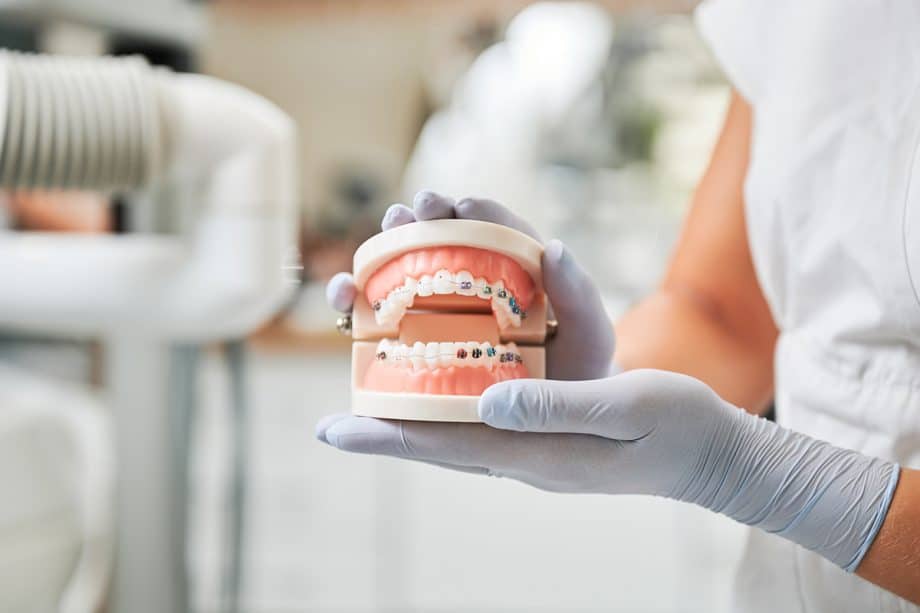
Traditional braces use metal or ceramic brackets bonded to each tooth, connected by a wire that applies steady pressure to shift teeth over time. Many patients notice the visible hardware right away, though ceramic brackets offer a less conspicuous alternative to metal.
Clear aligners, by contrast, use a series of custom-fitted, transparent trays that gradually move teeth without brackets or wires. Because the trays are nearly invisible, many adult patients and teens prefer this option for everyday confidence at work, school, or social events.
Comfort varies by individual, but each option carries its own adjustment period:
- Braces can cause minor irritation to the cheeks and lips as the mouth adjusts to brackets and wires.
- Clear aligners apply gentler, incremental pressure with each new tray, though some patients feel brief tightness when switching to a new set.
- Both options typically become more comfortable within the first few days of wear.
Maintenance, Daily Habits, and Your Lifestyle
Daily upkeep looks different depending on which treatment you choose, and your lifestyle plays a major role in determining what works best.
With braces, you brush and floss around brackets and wires, which requires a bit more time and a few specialized tools like floss threaders or interdental brushes. Because braces stay fixed to your teeth, you don't need to remember to wear them consistently — they simply do their job in the background.
Clear aligners require consistent wear, generally between 20 and 22 hours a day, to stay on track with your treatment plan. You remove them to eat, brush, and floss, which makes oral hygiene more straightforward but places responsibility on you to keep the trays in as much as possible.
Consider your own habits honestly:
- Choose braces if you want a low-maintenance option that doesn't rely on self-discipline for wear time.
- Choose aligners if you value eating without restrictions and prefer removing your appliance for important occasions.
- Choose either option if you're committed to maintaining strong oral hygiene throughout treatment.
Treatment Timelines and Effectiveness
Treatment length depends on the complexity of your case, not which option you select. Minor alignment issues may resolve in under a year with either braces or aligners, while more involved bite corrections can take two years or longer.
Braces often handle complex cases — including significant crowding, severe bite misalignment, or tooth rotation — with a high degree of precision because they apply continuous, fixed pressure. Clear aligners work well for mild to moderate alignment concerns and have expanded their capabilities in recent years to address a wider range of cases.
During your consultation, we evaluate your bite, jaw alignment, and tooth positioning to recommend the option most likely to deliver the results you want within a timeframe that fits your goals.
Finding the Right Fit for Your Smile
Choosing between braces and clear aligners doesn't have to be complicated — it simply comes down to what fits your life. Whether you value the reliability of fixed braces or the flexibility of removable aligners, both paths lead to the same destination: a healthier, straighter smile you can feel good about. We are committed to helping you find the option that matches your daily habits, your comfort, and your long-term goals.
We guide you through this decision with a thorough evaluation and honest recommendations based on your unique smile. If you're ready to explore your options, schedule a consultation to learn more about orthodontic treatment at Bisson Dentistry.
Frequently Asked Questions About Orthodontic Treatment
How long does orthodontic treatment typically take?
Treatment length varies based on the complexity of your case, but most patients complete treatment within 12 to 24 months. We provide a personalized timeline estimate during your initial consultation.
Is orthodontic treatment painful?
Most patients experience mild discomfort or pressure for the first few days after starting treatment or receiving adjustments. This discomfort typically subsides quickly and can often be managed with over-the-counter pain relief.
How much does orthodontic treatment cost?
Cost depends on the type of treatment, the length of your treatment plan, and the complexity of your case. We review pricing and available payment options with you before beginning any treatment.
Can adults get braces or clear aligners?
Yes, adults can pursue either braces or clear aligners. Many adult patients choose clear aligners for their discreet appearance, though braces remain an effective option for more complex corrections at any age.
What happens if I don't wear my clear aligners as directed?
Inconsistent wear can delay your treatment timeline and reduce your aligners' effectiveness. We encourage patients to wear aligners for the recommended 20 to 22 hours daily to stay on track with their treatment plan.
At Bisson Dentistry, we treat every patient like family and take pride in guiding you through each step of your orthodontic journey. Our team combines experienced care with clear communication so you always know what to expect. If you have questions about braces, clear aligners, or any other treatment, please contact us today.